Wondering if Cavapoos are hypoallergenic? Learn how their low-shedding coat affects allergies, which coat types are best, and how to prepare — from a family breeder shipping nationwide.
If someone in your home has allergies but you're longing for a dog, you've probably run into the word "hypoallergenic" again and again — and the Cavapoo near the top of nearly every list. But what does that actually mean for a family with a sneezy toddler or an allergy-prone partner? Here's an honest look at how Cavapoos and allergies really work, so you can decide with confidence.
The Short Answer
Cavapoos are considered one of the most allergy-friendly dog breeds, but no dog is 100% hypoallergenic. Their Poodle heritage gives them a low-shedding, low-dander coat that many allergy sufferers tolerate far better than a typical shedding breed. For a lot of families, that difference is life-changing — but it's worth understanding why, because it helps you pick the right puppy.
What "Hypoallergenic" Really Means
Most people assume allergies come from dog hair. They usually don't. The real triggers are dander (tiny flakes of skin), along with proteins in saliva and urine that dry onto the coat and float into the air. A heavily shedding dog spreads those allergens all over your home. A low-shedding dog like the Cavapoo keeps far more of it contained — which means fewer allergens reaching the people who react to them.
So "hypoallergenic" doesn't mean allergen-free. It means lower-allergen. For many sensitive families, that reduction is enough to live comfortably with a dog for the first time.
Why Cavapoos Tend to Be Allergy-Friendly
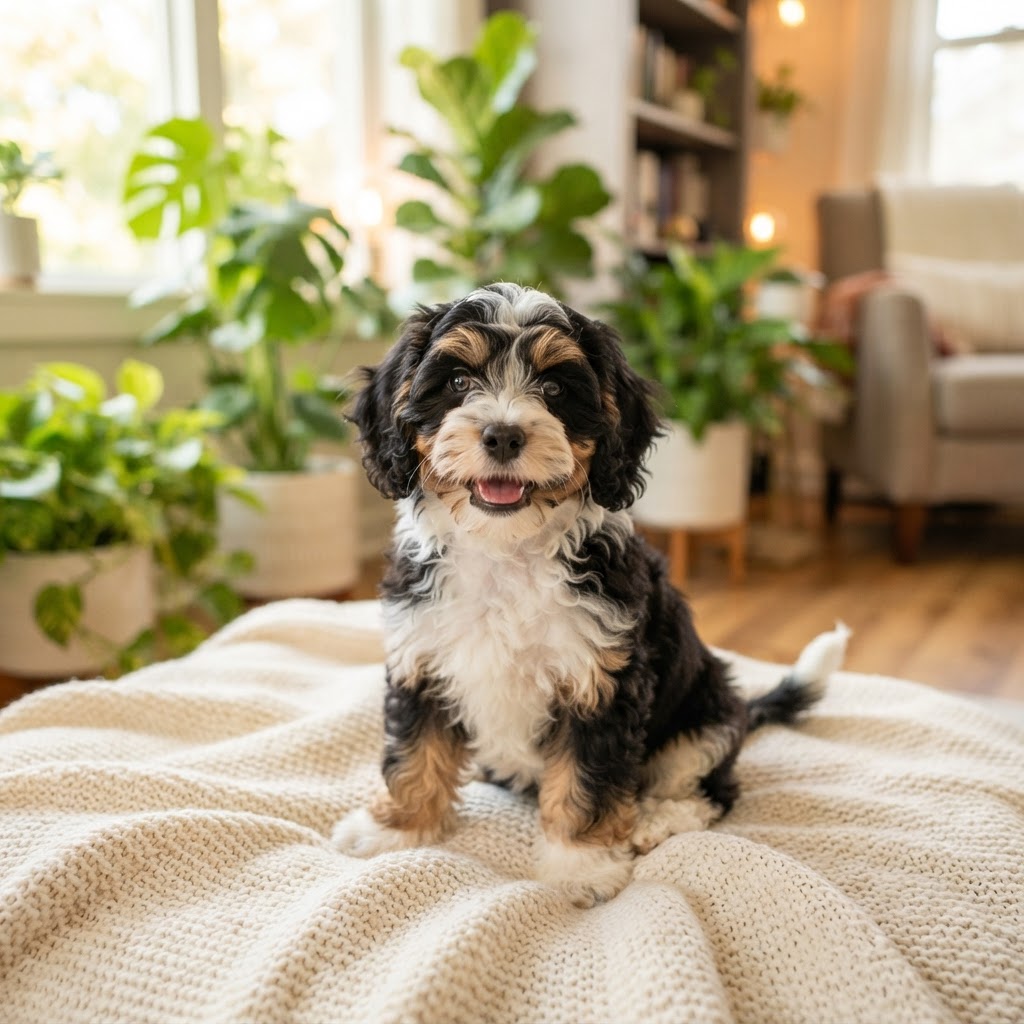
A Cavapoo is a cross between a Cavalier King Charles Spaniel and a Poodle. The Poodle side is what brings the low-shedding, tightly curled coat prized by allergy sufferers. The more Poodle influence a puppy carries, the more likely it is to shed minimally.
That's why coat type matters so much:
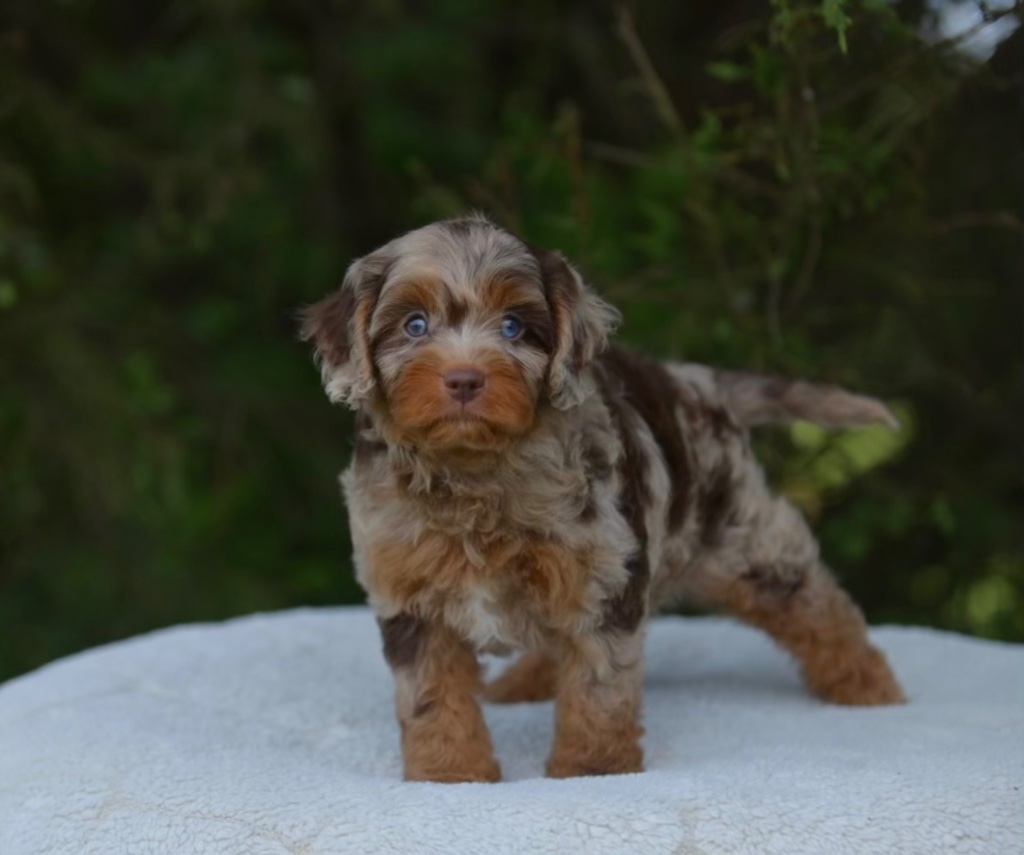
- Curly coats are the most Poodle-like and generally the best choice for allergy-prone homes, shedding the least.
- Wavy coats are a middle ground — usually low-shedding, and the most common Cavapoo coat.
- Straighter coats carry more of the Cavalier influence and may shed a bit more, making them less ideal if allergies are severe.
If allergies are your primary concern, a curlier-coated puppy is the safer bet. This is one of the most important things to talk through with your breeder before you choose.
How to Reduce Allergens Even Further
Even with a low-shedding dog, a few habits make a real difference:
- Regular grooming. Brushing several times a week and professional grooming every 6–8 weeks removes trapped dander before it spreads.
- Bathing every few weeks washes away the saliva and dander proteins that build up on the coat.
- A clean sleeping setup. Washable dog beds and keeping the dog off allergy-sufferers' pillows help a lot.
- Good air filtration. A HEPA air purifier in main living areas cuts down airborne allergens noticeably.
Test Before You Commit
Because every person's allergies are different, the smartest step is to spend time around Cavapoos before bringing one home. Sensitivity varies from dog to dog — even within the same litter — so real-world exposure tells you more than any label. A responsible breeder will welcome this and help you find a puppy whose coat suits your family's needs.
Meet Your Cavapoo at Cedar Wood Farms
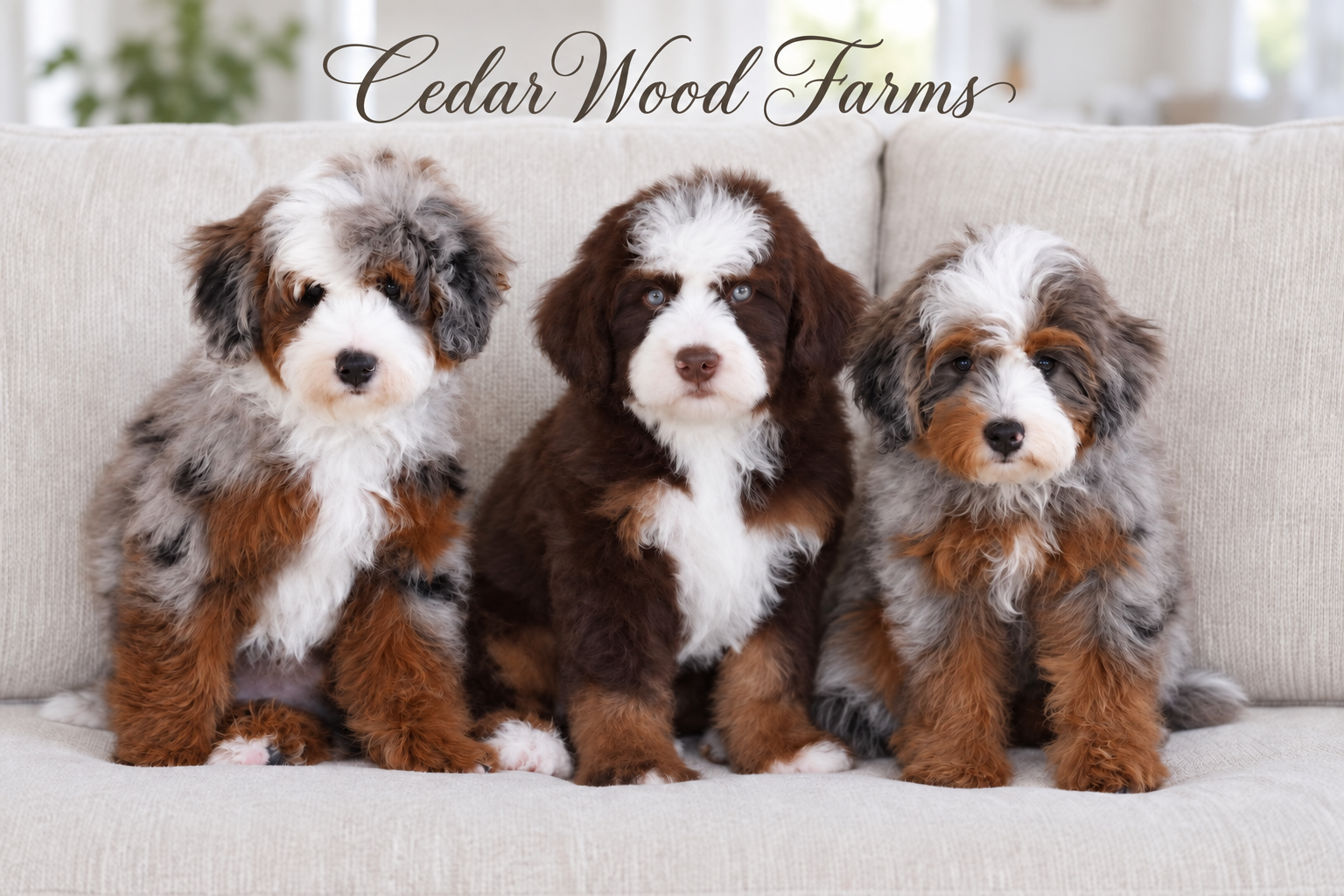
At Cedar Wood Farms, our Cavapoos are family-raised in our home from health-tested parents, and we help match you with a puppy whose coat and temperament fit your household — including allergy considerations. Because we ship nationwide, families across the country can bring home a Cedar Wood Farms Cavapoo no matter where they live.
View our available Cavapoo puppies » — or join our waitlist to be first in line for an upcoming litter.
Have questions about coat types or which puppy might be the best fit for an allergy-prone home? Reach out anytime — we love helping families find their perfect match.